Jupiter Hell is an exceptional RPG/Strategy that raises the bar for the genre.
91
Verdict
92%
Steam
90
IGDB
Verdict score based on confidence-adjusted Steam reviews?
Very Positive on Steam (92% positive from 2.1K reviews)
Critically acclaimed (90/100 critic average)
No significant drawbacks reported
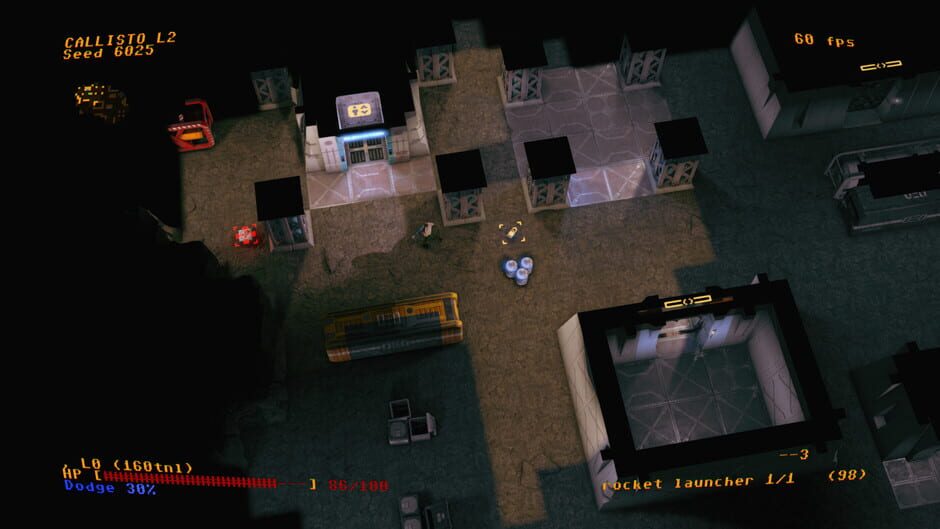
Jupiter Hell is a roguelike video game developed by ChaosForge and published in 2021 by Hyperstrange. It is a spiritual successor to DRL and adapts first-person shooter gameplay to a tactical roguelike.
Runs well on modern hardware.
Last updated 4d ago
TLDR: Play DRL or Jupiter Hell Classic instead. I've played over a dozen runs. I've won several of those runs. And I'm left with the strong feeling that there is something fundamentally wrong with combat in this game. Maybe there's a subtle bug or maybe they baked in too much randomness into combat because every encounter in Jupiter Hell feels like a crapshoot as to how much damage you will take from enemies, even after you've mastered the combat systems. This wasn't a problem in DRL, this is something they've introduced in Jupiter Hell. In addition, there are a number of design decision in Jupiter Hell that lead to a less enjoyable playing experience as compared to DRL. The aim/cover system is almost antithetical to Doom gameplay. Obviously you can't just run-and-gun everything in a rogue game, but at the same time constantly dodging to cover and waiting behind cover while you aim is sooo not Doom. Also, they "broke" multitools by making them the in-game currency, now you have to constantly hoard them since every station in the game requires some.
Doom meets chess, except the chessboard has a shotgun. Fast, brutal, tactical, and somehow makes dying feel like part of the plan. Every turn matters, every build can become gloriously broken, and “one quick run” is a filthy lie. Highly recommended.
Haven't been playing terribly long, but I've been playing the predecessor DoomRL (or DRL) for many years. This is a true successor, it's so very good. Gameplay is clean and easy, you can figure stuff out as you go, the music and sound effects are top notch, story is engaging (although not a major draw for me on this game). If you ever played DoomRL/DRL and enjoyed it, you'll love this.
Reviews sourced from Steam. All reviews belong to their respective authors.
Data sourced from RAWG, Steam, IGDB, CheapShark, Wikipedia, HLTB, and GX Corner. Sources: rawg, steam, cheapshark, igdb, wikipedia.
All game titles, trademarks, and copyrights belong to their respective owners.
