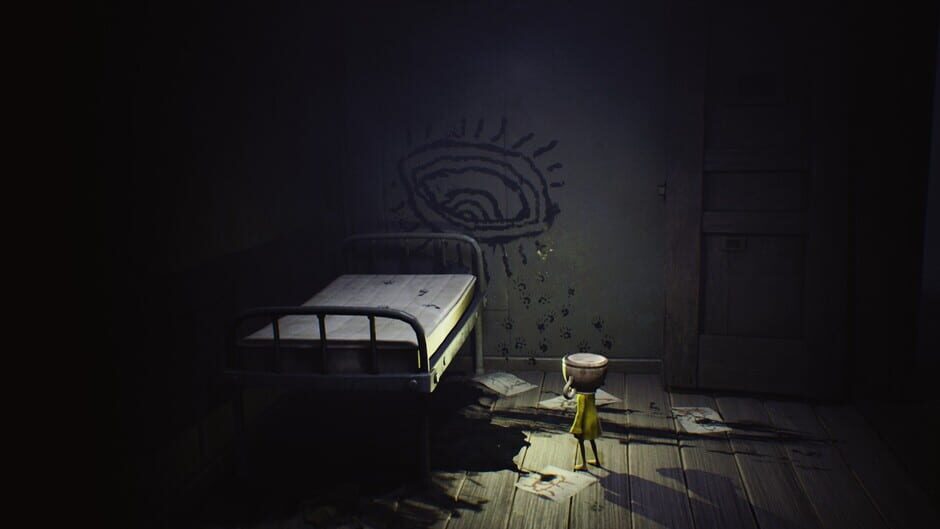
Little Nightmares is an exceptional Action/Adventure that raises the bar for the genre.
90
Verdict
95%
Steam
78
IGDB
Verdict score based on confidence-adjusted Steam reviews?
Very Positive on Steam (95% positive from 115K reviews)
Compelling narrative and story
Outstanding soundtrack
No significant drawbacks reported
Little Nightmares is a puzzle-platform horror adventure game developed by Tarsier Studios and published by Bandai Namco Entertainment for PlayStation 4, Windows and Xbox One, released in April 2017. A Nintendo Switch version was released in May 2018, followed by a Google Stadia version in June 2020 and mobile versions were released on 12 December 2023 and published by Playdigious. Set in a mysterious world, Little Nightmares follows the journey of Six, a hungry little girl who must escape the Maw, an underwater vessel inhabited by monstrous, twisted beings.
Runs well on modern hardware.
Updated 5h ago
This game deserves all the praise it gets and so much more. The way this game is presented through its stunning environmental atmosphere is nothing short of spectacular. I loved this game, and I loved the immersion it brought me. The way the camera works with your character as if you are looking into a movie set/toy set is so interesting. The art direction, immersion and character design really make this game so well put together. The DLC on top of that ties into the story so well, but doesn't do too much or too little. The story is up to the player, and how they WANT to interpret it. Little Nightmares is such a well put together piece of media, PLEASE play this or watch someone play it. 9/10.
Fun little game with amazing art design. I enjoyed it more than I thought I would. The gameplay is simple but effective; I have recommended this game to a lot of people. It's not really scary, but it has a dreadful atmosphere that keeps you captivated.
The art is cool but I didn't really enjoy the puzzles that much. The depth perception was an issue for a lot of my play through it was kinda hard to tell where you were actually standing. I would say its worth it on sale mainly because the art is really cool in spite of the annoying puzzles.
Reviews sourced from Steam. All reviews belong to their respective authors.
Data sourced from RAWG, Steam, IGDB, CheapShark, Wikipedia, HLTB, and GX Corner. Sources: rawg, steam, cheapshark, igdb, wikipedia.
All game titles, trademarks, and copyrights belong to their respective owners.
