A masterclass in strategy design, Medieval II: Total War Kingdoms delivers an unforgettable experience from start to finish.
90
Verdict
95%
Steam
—
IGDB
Verdict score based on confidence-adjusted Steam reviews?
Overwhelmingly Positive on Steam (95% positive from 630 reviews)
Engaging multiplayer/co-op experience
No significant drawbacks reported
Medieval II: Total War Kingdoms is the expansion to the 2006 turn-based strategy PC game Medieval II: Total War. It was developed by Creative Assembly. The expansion was released on 28 August 2007 in North America and adds four campaigns.
Runs well on modern hardware.
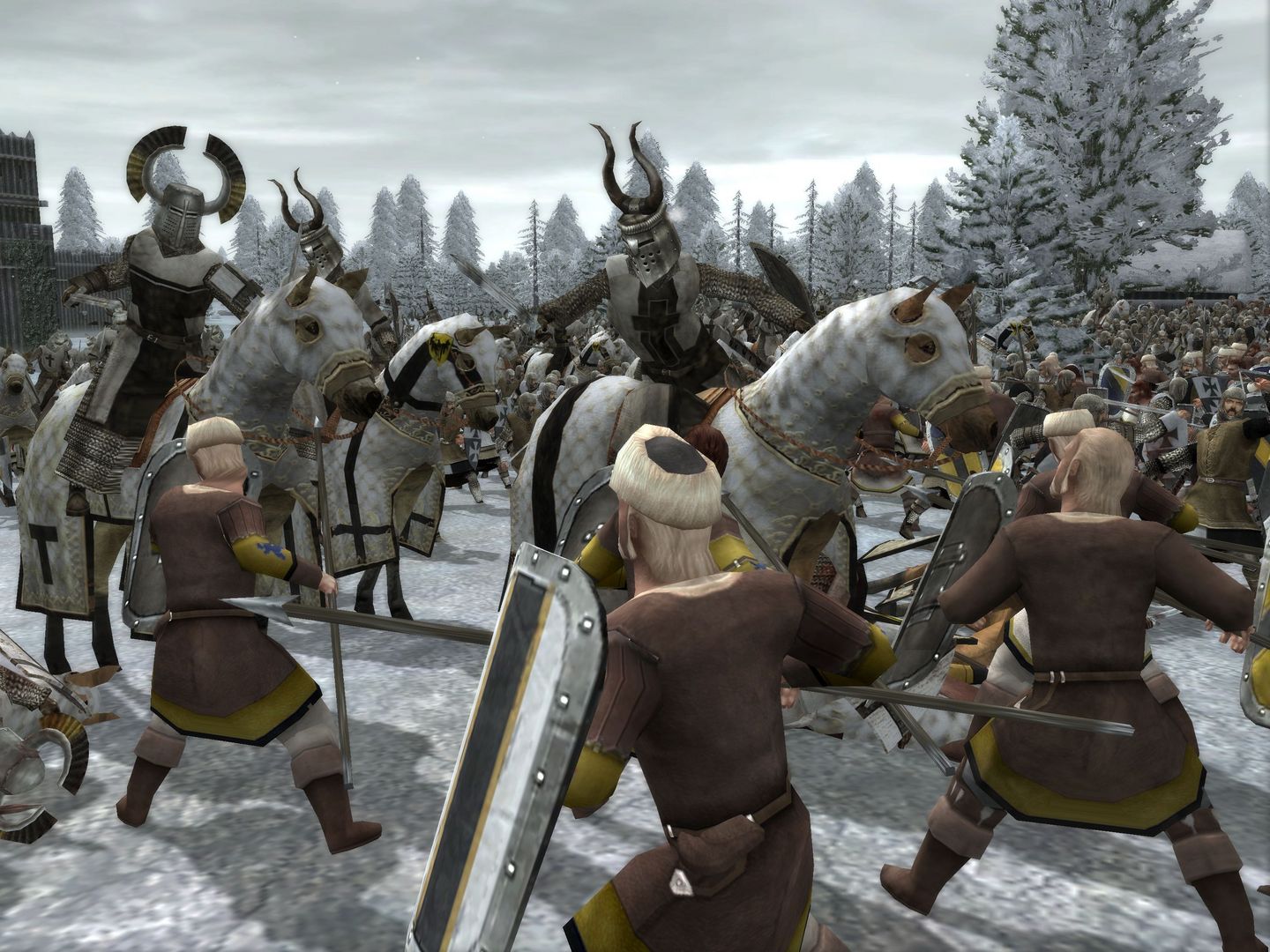
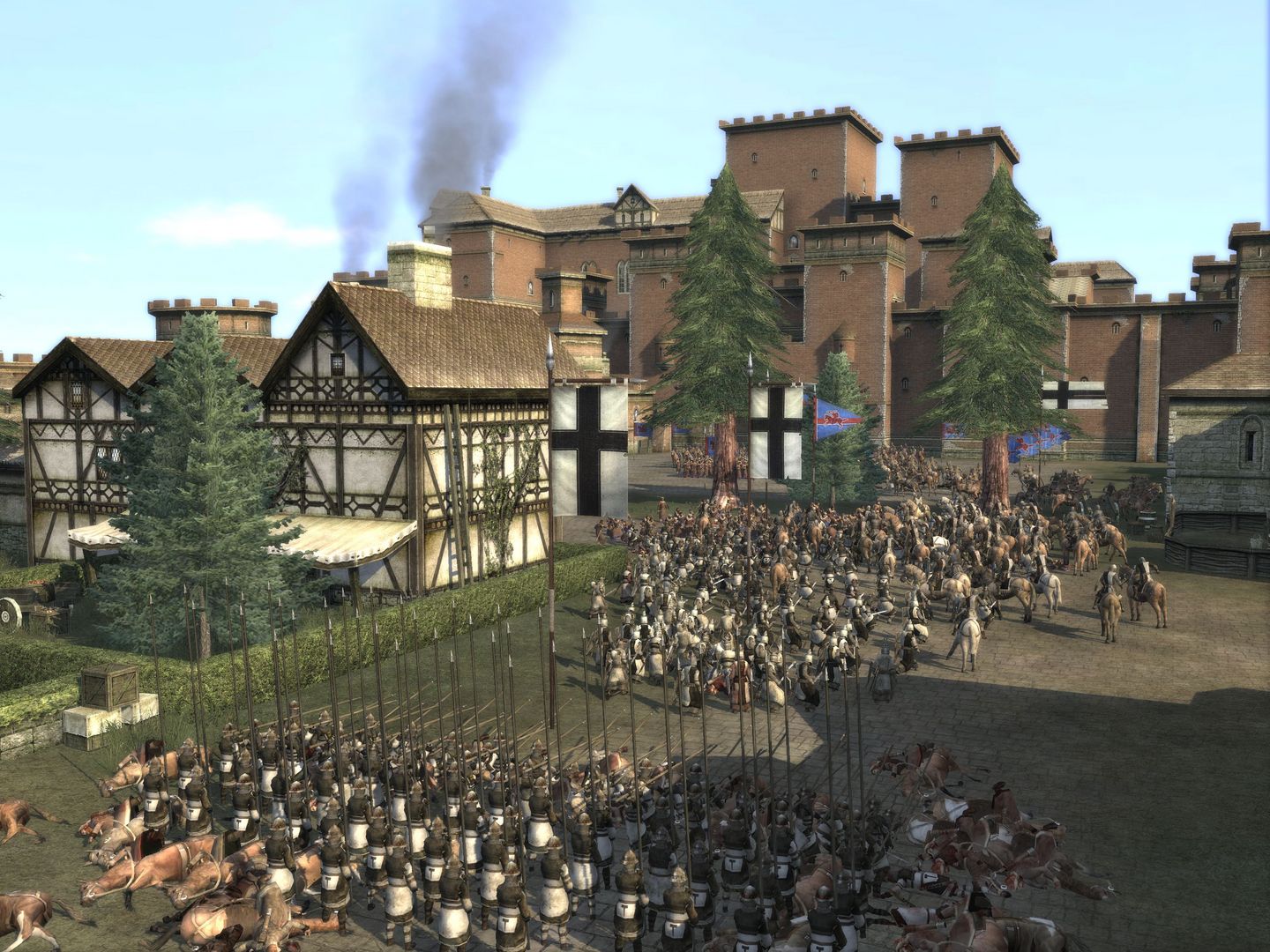
Medieval II: Total War™ Kingdoms is a massive expansion to Medieval II: Total War, developed by The Creative Assembly, with macOS and Linux versions handled by Feral Interactive and published by SEGA alongside Feral for those platforms. Rather than offering a handful of additional scenarios, Kingdoms delivers four fully realized campaigns that significantly expand the historical, geographical, and mechanical scope of the original game. For players who already appreciated Medieval II’s fusion of turn-based grand strategy and large-scale real-time battles, Kingdoms feels less like supplemental content and more like an ambitious second act that explores new corners of the medieval world with depth and intensity. Each of the four campaigns presents a distinct historical theater with its own political tensions, faction rosters, and strategic challenges. The Britannia campaign narrows the focus to the British Isles, intensifying regional conflict among England, Scotland, Wales, Ireland, and Norway. The tighter map creates a more claustrophobic, aggressive style of play, where territorial expansion happens quickly and rivalries escalate rapidly. In contrast, the Teutonic campaign shifts the spotlight to Northern and Eastern Europe, exploring crusading orders, pagan resistance, and the harsh realities of frontier warfare. Religious conflict and cultural conversion play an even greater role here, creating a layered strategic environment that rewards both military strength and careful management of faith and public order. The Crusades campaign expands outward into the Holy Land, where Christian and Muslim factions vie for dominance in a politically volatile landscape. This scenario leans heavily into diplomacy, religious authority, and the strategic importance of fortified cities. Holding Jerusalem or other key settlements is not merely symbolic; it carries tangible strategic consequences. Meanwhile, the New World campaign stands apart as perhaps the most ambitious of the four. European powers such as Spain must contend with vast distances, unfamiliar terrain, and powerful indigenous civilizations including the Aztecs and Mayans. The asymmetry between heavily armored European units and the lighter, faster indigenous armies creates fascinating battlefield contrasts, and the campaign’s colonial expansion theme introduces logistical challenges that differ significantly from the European-centric conflicts of the base game. On the campaign map, Kingdoms deepens the grand strategy experience with dozens of new settlements, factions, units, and building chains. Economic management remains crucial, as armies are expensive and overexpansion can cripple a treasury. Religious influence continues to shape diplomacy and internal stability, while agents such as spies, priests, and merchants can quietly tip the balance of power. The expansion also introduces more scripted events and narrative flavor, giving certain campaigns a stronger sense of historical identity without compromising player freedom. Although the core mechanics remain faithful to the original Medieval II framework, the new contexts force players to rethink familiar strategies. The real-time battles remain the beating heart of the experience. Even years after its release, the spectacle of thousands of soldiers clashing on open fields or storming castle walls retains its impact. Cavalry charges feel devastating when properly timed, archers can soften enemy lines before engagement, and disciplined infantry formations hold the line under pressure. Siege warfare is particularly memorable, with layered defenses, siege towers, battering rams, and artillery playing critical roles. While the visuals reflect the era in which the game was developed, the scale and tactical nuance still deliver compelling engagements. Unit diversity across the campaigns ensures that battles rarely feel repetitive, especially when transitioning between European knight-heavy forces and the distinctive armies of the New World. Kingdoms also benefits from improved multiplayer functionality, including hotseat campaigns that allow multiple players to take turns on the same machine. This addition significantly enhances replayability for those who enjoy competitive strategy. Combined with the long-standing modding community surrounding Medieval II, the expansion’s lifespan extends far beyond its official content. Many players continue to create total conversions and historical overhauls using Kingdoms as a foundation, further cementing its reputation as one of the most robust entries in the Total War catalog. Despite its strengths, the expansion does retain some of the base game’s limitations. The interface can feel dated and occasionally cumbersome, particularly when managing large empires with numerous settlements. Artificial intelligence, while capable of mounting serious threats, sometimes struggles with pathfinding during complex sieges or makes questionable strategic decisions. However, these issues rarely overshadow the sheer depth and strategic freedom offered by the campaigns. In many ways, Kingdoms represents the classic Total War formula at its most concentrated: less streamlined than modern entries, but rich with systemic complexity and player-driven storytelling. Ultimately, Medieval II: Total War™ Kingdoms stands as a testament to how expansive and meaningful an add-on can be. It broadens the geographical canvas, diversifies faction playstyles, and challenges players to adapt their strategies to radically different historical contexts. For fans of methodical empire-building, intricate diplomacy, and epic real-time battles, Kingdoms offers hundreds of hours of strategic engagement. Even years after its release, it remains one of the most content-rich and historically evocative expansions in the Total War series, rewarding patience, foresight, and tactical mastery in equal measure. Rating: 9/10
Reviews sourced from Steam. All reviews belong to their respective authors.
Data sourced from RAWG, Steam, IGDB, CheapShark, Wikipedia, HLTB, and GX Corner. Sources: rawg, steam, wikipedia.
All game titles, trademarks, and copyrights belong to their respective owners.