
A masterclass in rpg design, Romancing SaGa 2: Revenge of the Seven delivers an unforgettable experience from start to finish.
92
Verdict
93%
Steam
—
IGDB
Verdict score based on confidence-adjusted Steam reviews?
Very Positive on Steam (93% positive from 4.5K reviews)
Compelling narrative and story
Limited professional critic coverage
Runs well on modern hardware.
Updated 5h ago
I quite like this game, unforgiving as it is on classic mode. While the writing is nothing to write home about it's outweighed by an RPG that's both very solid and asks you to utilize the mechanics to their greatest extent. The one downside is the empire building is a bit lacking, there's really only four buildings and you'll end up with more money than you'll ever need before long. However the story and game center around the inheritance of skills between generations of chosen emperors and that is really really good. I had a great time cycling through (near) exclusively female emperors as I don't care for men, and while I do think the game is just a little longer than it needs to be, I did return to finish the post-game dungeon and super-boss challenges because the gameplay itself is just rock solid.
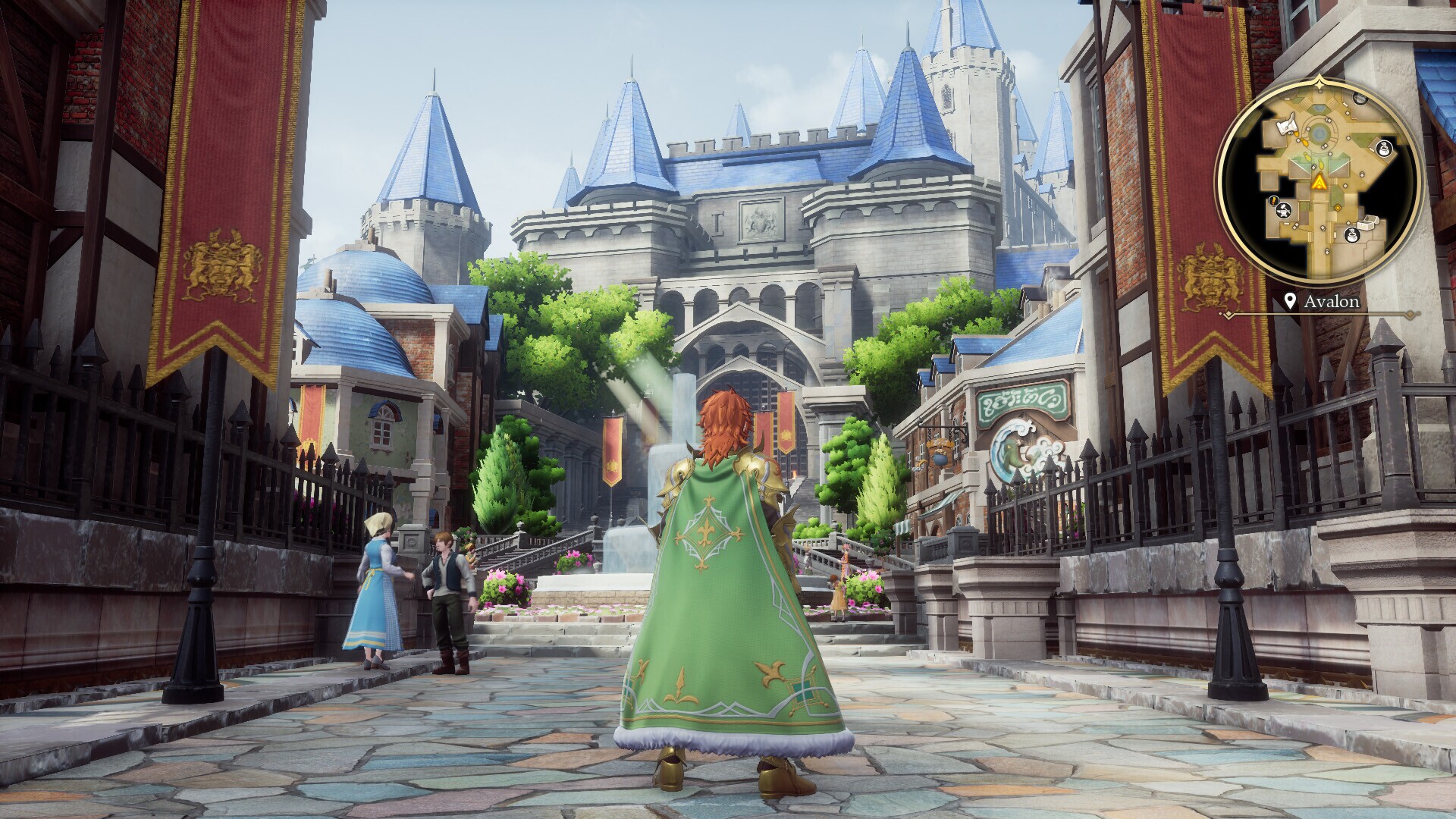
[b]A- — Rebuilding the party stayed exciting longer than the battles did[/b] [i]Retired the unfinished playthrough after extensive side content and a substantial return to the same save. Watched the ending separately afterward.[/i] Succession was the reason I kept coming back to Romancing SaGa 2. Choosing an Emperor, rebuilding the retinue and redistributing roles made party construction matter repeatedly. Instead of settling on one team forever, I had reasons to reconsider what the roster could do. That process was satisfying enough to bring me back after an initial stop. Class rotation, formations, weapon and magic development, and inherited growth gave those changes a lasting purpose. The empire provided continuity while individual party members changed. I enjoyed deciding how the next group should work and fitting the available pieces together. The quality of life was just as impressive. Menus, saving, recovery, dialogue skipping and routine interactions were exceptionally quick. There was very little waiting between deciding what I wanted to do and doing it. The graphical ambition mattered less to me than how comfortable the whole game felt to use. Unfortunately, building the party stayed interesting longer than fighting with it. Too many encounters settled into finding a weakness, using a strong appropriate technique and healing when necessary. Bosses generally avoided becoming excessive damage sponges, but the turn-to-turn decisions still became repetitive. There was also little meaningful activity away from fighting once I tired of that routine. The changing roster limited lasting character attachment, and the story never created enough urgency to carry the remaining stretch. The music was consistently good, although repeated themes reduced freshness. Nonlinear difficulty sometimes meant entering an area just to discover whether I was ready for it. I recommend this for players who enjoy rebuilding teams and developing systems across generations. I got substantial enjoyment from doing exactly that. If you need a persistent cast or increasingly varied battles to sustain the entire journey, those strengths may eventually run out of room to carry you. [b]Category grades[/b] [list] [*]Combat: C+ [*]Progression: S [*]Story: C+ [*]Characters: C- [*]World: B [*]Music: B+ [*]Presentation: S+ [*]Pacing: B [/list] [i]Check my profile for more JRPG reviews.[/i]
this game was made for me.... you cant really get games like this nowadays
Reviews sourced from Steam. All reviews belong to their respective authors.
Data sourced from RAWG, Steam, IGDB, CheapShark, Wikipedia, HLTB, and GX Corner. Sources: rawg, steam, cheapshark, wikipedia.
All game titles, trademarks, and copyrights belong to their respective owners.
