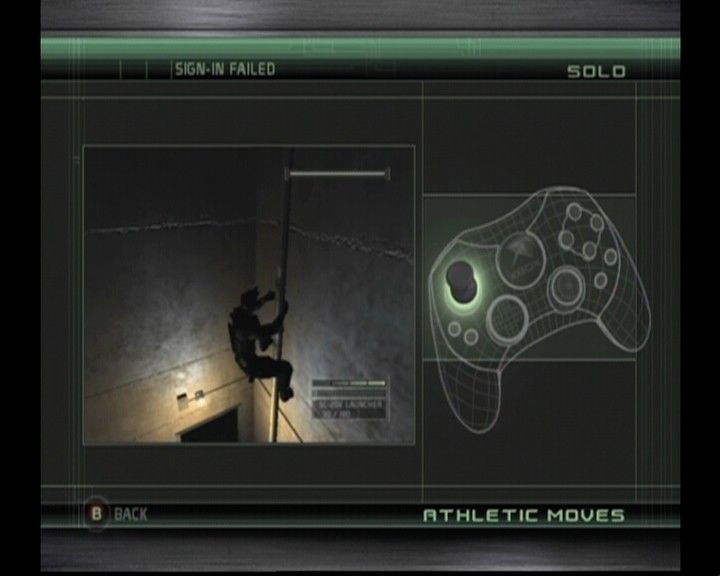
Tom Clancy's Splinter Cell Chaos Theory stands out as one of the best Action/Adventure titles in recent memory.
90
Verdict
93%
Steam
78
IGDB
Verdict score based on confidence-adjusted Steam reviews?
Very Positive on Steam (93% positive from 5.6K reviews)
Compelling narrative and story
Engaging multiplayer/co-op experience
Outstanding soundtrack
No significant drawbacks reported
Tom Clancy's Splinter Cell: Chaos Theory is a 2005 action-adventure stealth game co-developed by Ubisoft Montreal and Ubisoft Milan, and published by Ubisoft. The game was released for GameCube, PlayStation 2, Windows and Xbox in March 2005. Handheld versions for the Nintendo DS, mobile, and N-Gage were also released.
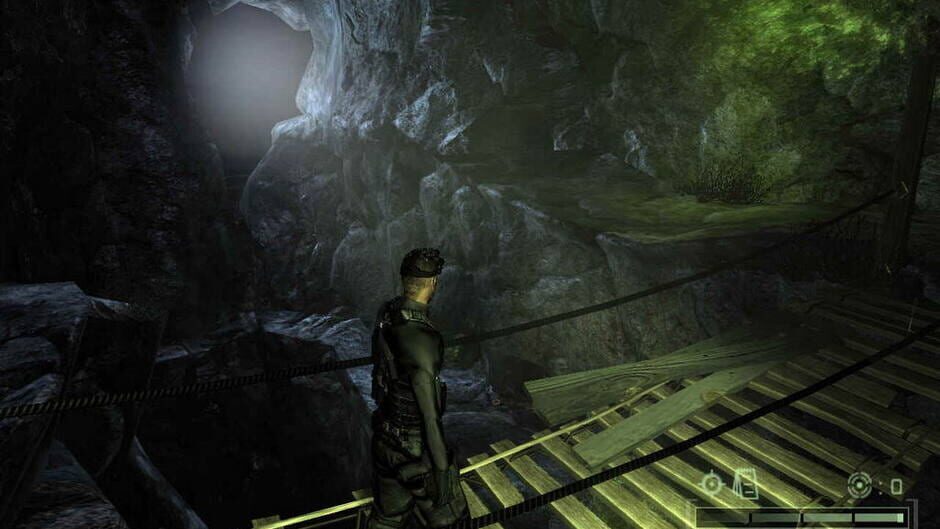
Runs well on modern hardware.
Last updated 6d ago
The best stealth action game ever made, and even a contender for being one of the best games ever made. Everything is perfect. Everything. Down to the exact detail. There are some minor bugs since it is a much older game, but these are easily fixable. 10/10.
And finally, we arrive at the acclaimed Chaos Theory, which for me has always been my favorite among the first three games. As always, the game starts with an epic opening, but this time, unlike the others, it shows both stealth and assault gameplay, while the music changes depending on the playstyle being shown. For me, it’s one of the best openings in the series, at least up to the third game. After that incredible intro, we’re greeted by a menu that instantly gives me pure nostalgia. But beyond that, there’s another thing you notice right away... the game already supports modern resolutions without needing mods, which honestly feels like a blessing. Right after that, you can choose between three game modes: - Solo - Coop - Versus For this review, I’ll focus mainly on Solo, but I’ll also give a quick opinion on the other modes based on my experience playing them on PS2, since I didn’t test them on PC. Coop I remember it being extremely fun and challenging. Maybe part of that feeling came from being a kid, but I genuinely think this mode was designed to be played with another person. It feels much more complete, almost like playing something similar to Army of Two. What really made it special, though, was sitting on the couch and sharing the experience with someone else through split-screen. On PC, that magic is gone since you need two separate PCs via LAN or Online, which loses some charm. Still, it’s absolutely worth playing. Versus I didn’t spend much time with this mode because I never had online access on my PS2 back then. I mostly entered just to explore maps alone. But the concept of Spies vs Mercenaries sounds incredibly interesting. Now, finally talking about the Solo campaign, which I experienced once again, this time on PC. Unlike its predecessors, this game lets you choose a Loadout, which adds more freedom to your playstyle: - Recommendation -> balanced setup - Stealth -> focused on knockouts and silent gameplay - Assault -> lethal, louder, more aggressive approach I mostly used the Recommended loadout, since it felt balanced, although sometimes I really wanted to switch to Assault just to go full chaos. And of course, the game introduces new mechanics that make missions feel much smoother. For example: - You can now kill enemies while hanging - You can choose between knocking out or killing enemies - The melee system feels much more decisive Before, Sam would just punch enemies and leave them stunned. Now, they either get knocked out instantly or die depending on your input. This sometimes makes situations more tactical because you can’t simply punch someone and grab them afterward like before. But for me, the best addition is the sound meter. It shows how much noise Sam is making depending on the surface and environment, helping you understand exactly how fast you can move without alerting enemies. Such a small feature, but incredibly useful. When it comes to missions, the level design improved massively. Areas now offer multiple paths, allowing you to bypass enemies in several different ways without being detected. It gives players much more freedom to decide their own approach. On the other hand, missions and maps can feel slightly smaller if you only focus on main objectives. However, the game compensates for this with secondary objectives and opportunity-based tasks, encouraging deeper exploration. Now for some smaller details that, for me, make a huge difference and hopefully continue in later games. One of them is the native language system. Enemies speak in their own language depending on the country you’re infiltrating. Hearing guards speak Japanese while in Japan feels far more immersive than hearing everyone speak English. The only “negative” part is not understanding anything, but honestly, that makes it feel more realistic since Sam probably doesn’t understand either. Another detail is Sam himself. In this game, he feels far more charismatic and sarcastic. Depending on your actions, he delivers small comments that add personality to the experience. Maybe it’s just because he’s older here, but he definitely feels more alive. And finally, the dialogue includes references to other games, like Prince of Persia and Metal Gear. It made me genuinely want to listen carefully to conversations just in case another reference appeared. Small detail, but it adds charm. To finish, I want to give a special mention to one puzzle that completely destroyed me back in the day because I had no idea what to do. Dvorak... just know that my younger self absolutely hated you.
Character voice lines are muted in game. Different visions modes and a lovely choice of whiteout or blackout. Give this one a pass.
Reviews sourced from Steam. All reviews belong to their respective authors.
Data sourced from RAWG, Steam, IGDB, CheapShark, Wikipedia, HLTB, and GX Corner. Sources: rawg, steam, cheapshark, igdb, wikipedia.
All game titles, trademarks, and copyrights belong to their respective owners.